Razorhurst Collection: Historic Artworks that Capture Sydney’s Untamed Era
If it’s not yours it’s nobodies.
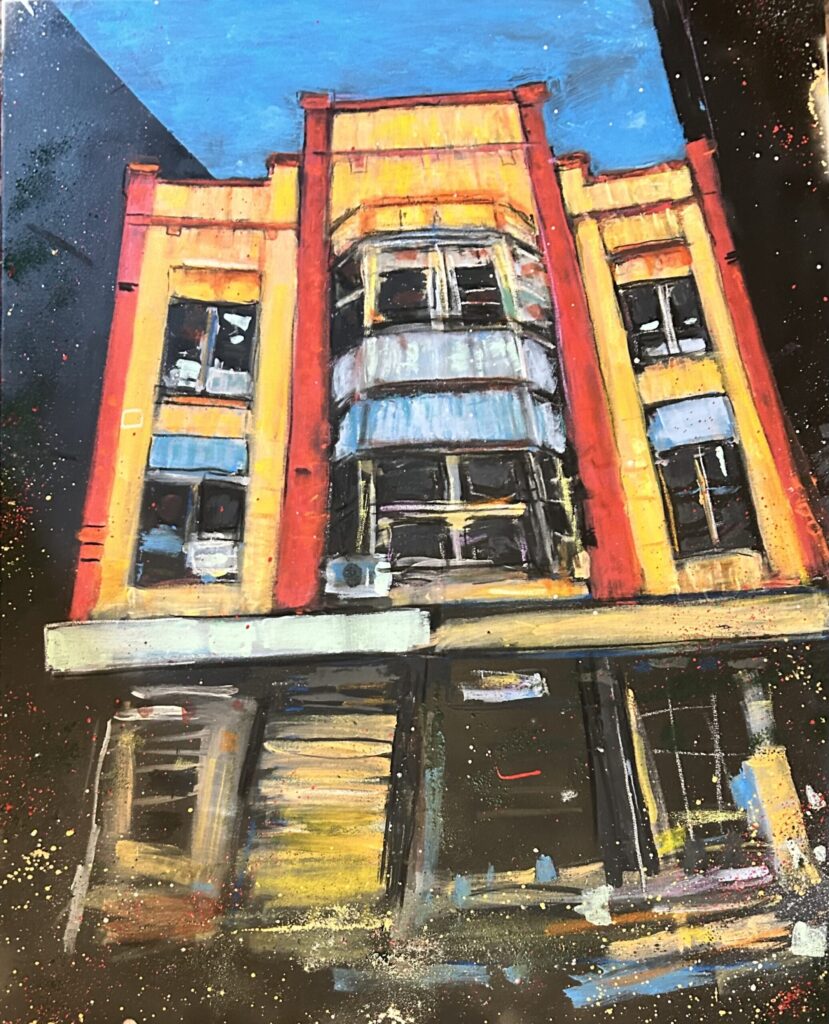
Central Private Hotel, 1950s – Current (120 x 81cm)
$995
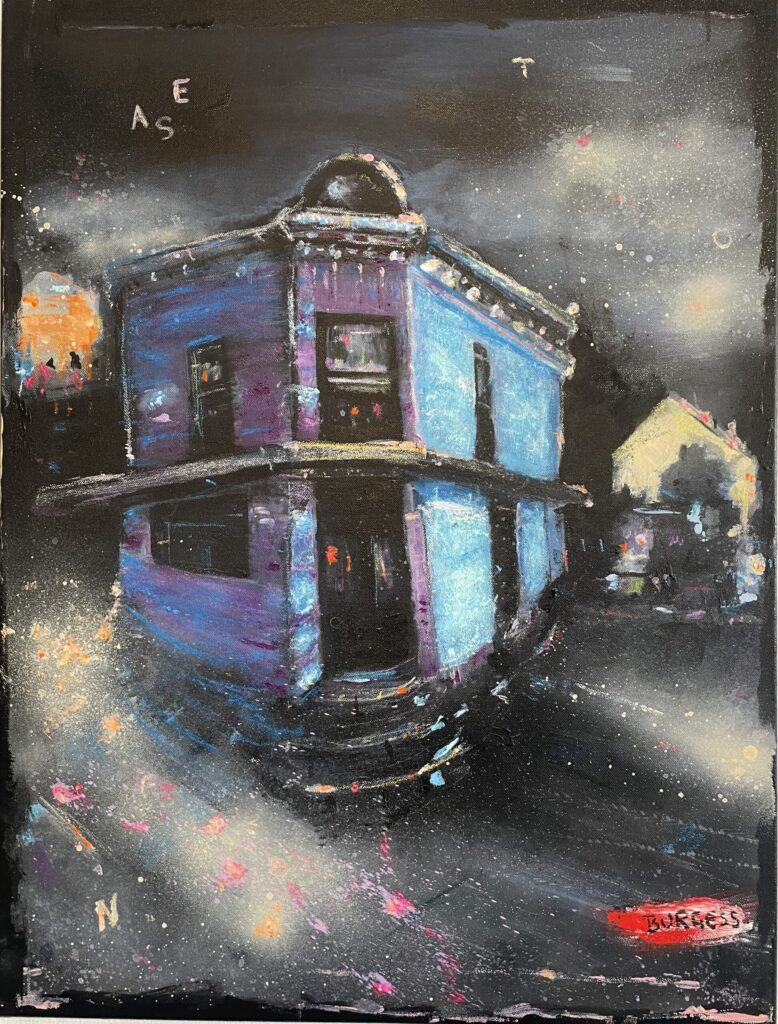
In the dingy after-hours glare of Sydney’s city-edge, the old Central Private Hotel stood witness to the hush of illicit trade and the clink of drink under thin neon light. Room keys changed hands in quiet corridors, whispers echoed off aged walls, and fortunes—small and large—were made while the city slept. From the 1950s onward it’s seen backpackers, strangers, deals, and escapes; its budget façade disguises a pulse of back-street urgency. The building remembers the grit beneath the satin veneer.
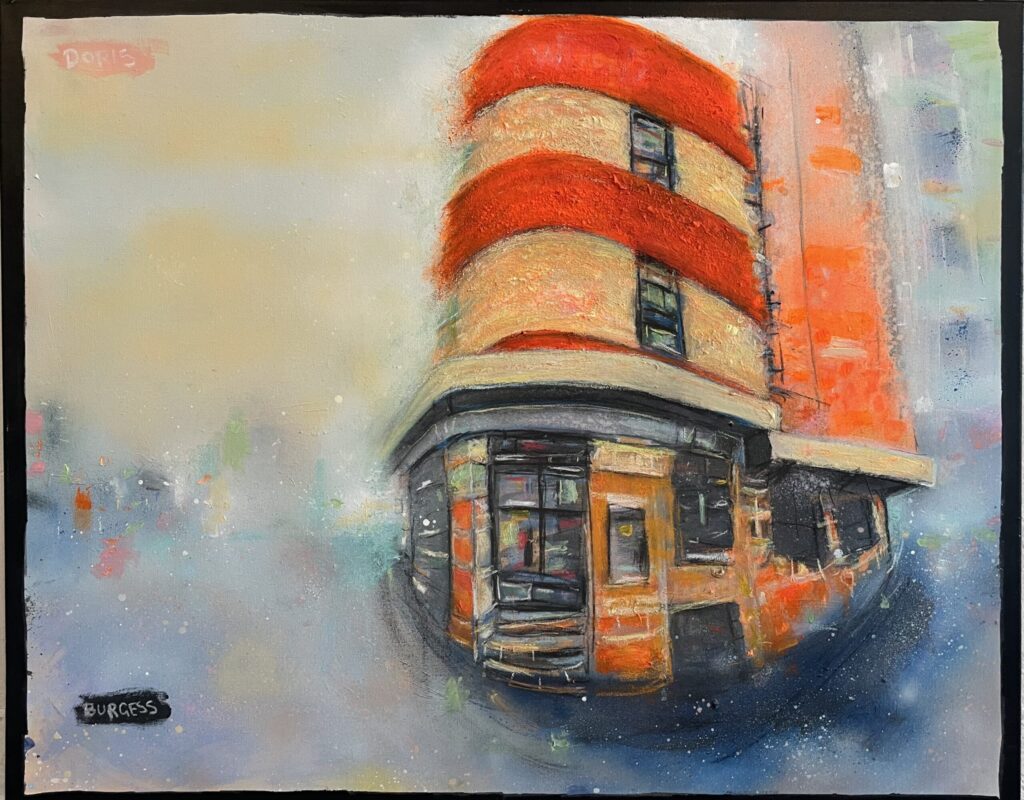
Hotel Hollywood, 1942 – Current (81 x 115cm)
$1,295
Housed in a timeless Art-Deco façade, the Hotel Hollywood became more than a local pub when Doris Goddard, former actress, cabaret star and one of Australia’s first female publicans, took over in 1977. With her film credits and stage presence behind her, Doris turned the venue into a living stage: mirror-ball ceilings, live music, neon glow, and a spirit rooted in performance. The building remains a capsule of Sydney’s golden-screen dreams and its off-beat nightlife realities.
Terry Street, Early 20th Century – Current (50 x 157cm)
$995
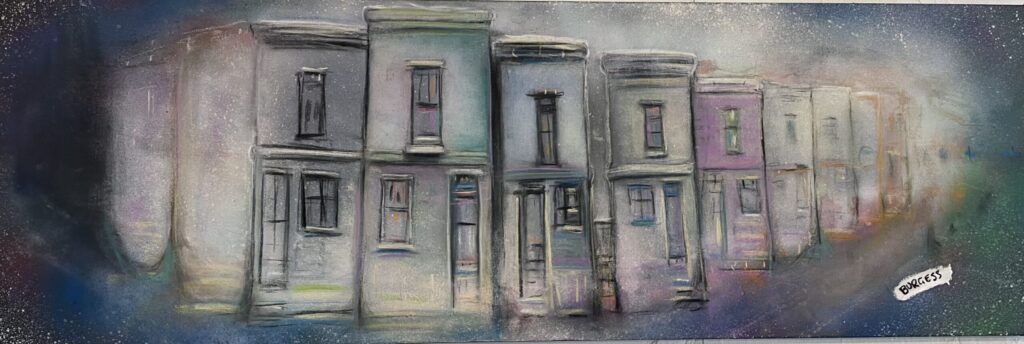
Terry Street winds quietly through Darlinghurst, once a back lane at the heart of Sydney’s Razorhurst era. Behind its terraces and shopfronts played out stories of sly-grog houses, backroom deals, and the daily lives of working families caught between survival and the city’s underworld. Today it looks ordinary enough, but its stones and corners still whisper of a grittier past etched into the neighbourhood.
20 Crystal Street, 1920s – Current (81 x 61cm)
$695
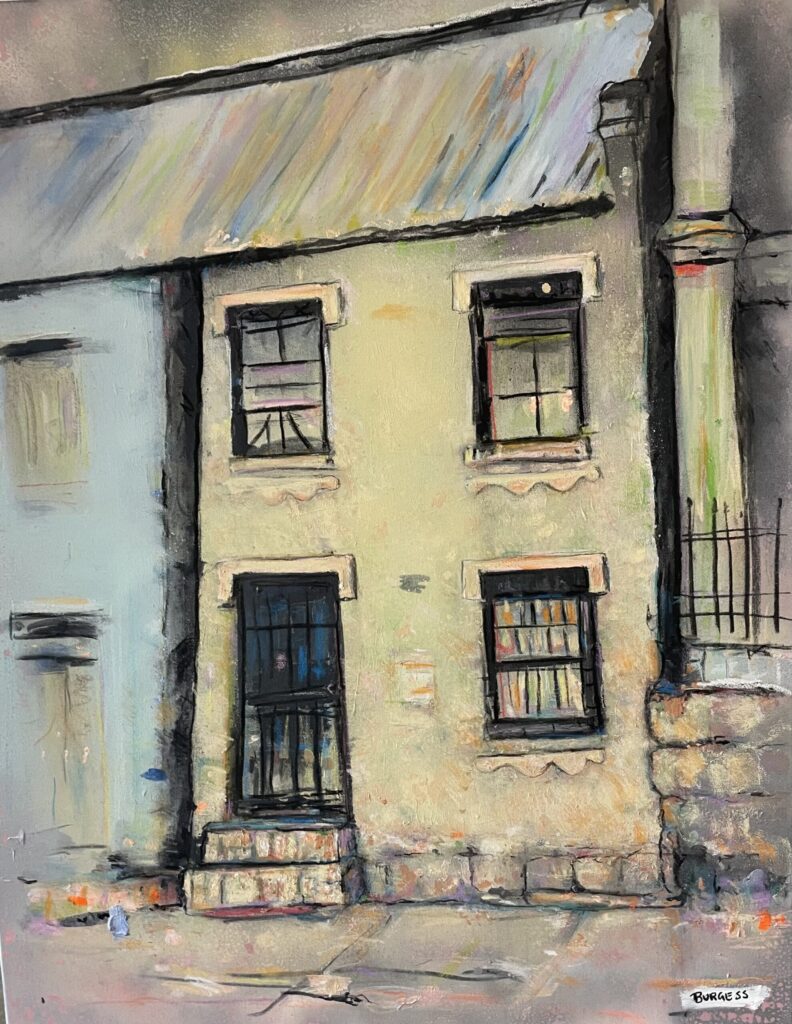
Here at 20 Crystal Street, the writers D’Arcy Niland and Ruth Park lived and worked, carving out words in the midst of a city’s harder edges. This modest façade held more than a residence: it held nights of creation, deadlines met in the shadows of industry, and the pulse of story-making against a backdrop of urban grit. The house stands as a witness to literary ambition rooted in everyday streets, where words were forged in the quiet hum of city life.
202 Victoria Road, 1930s – Current (102 x 81cm)
$1,195
This unassuming terrace on Victoria Road became the home and publishing hub of activist-journalist Juanita Nielsen. From within its walls she ran her paper NOW, and waged a fierce campaign against the sweep of redevelopment and eviction in Sydney’s inner-city fringes. The building stands today as a silent witness to struggle and resistance, the quiet shelter from which a louder voice was raised.
Darlinghurst Police Station, 1897 – Current (81 x 115cm)
$1,295
Opened in the late 19th century, Darlinghurst Police Station has long been a symbol of authority on the city’s edge. Its sandstone walls and watchful towers once stood at the centre of Sydney’s underworld battles, a place where the law squared off against the street. More than a workplace, it became part of the city’s folklore, remembered as both a site of order and a backdrop to the chaos of Razorhurst.
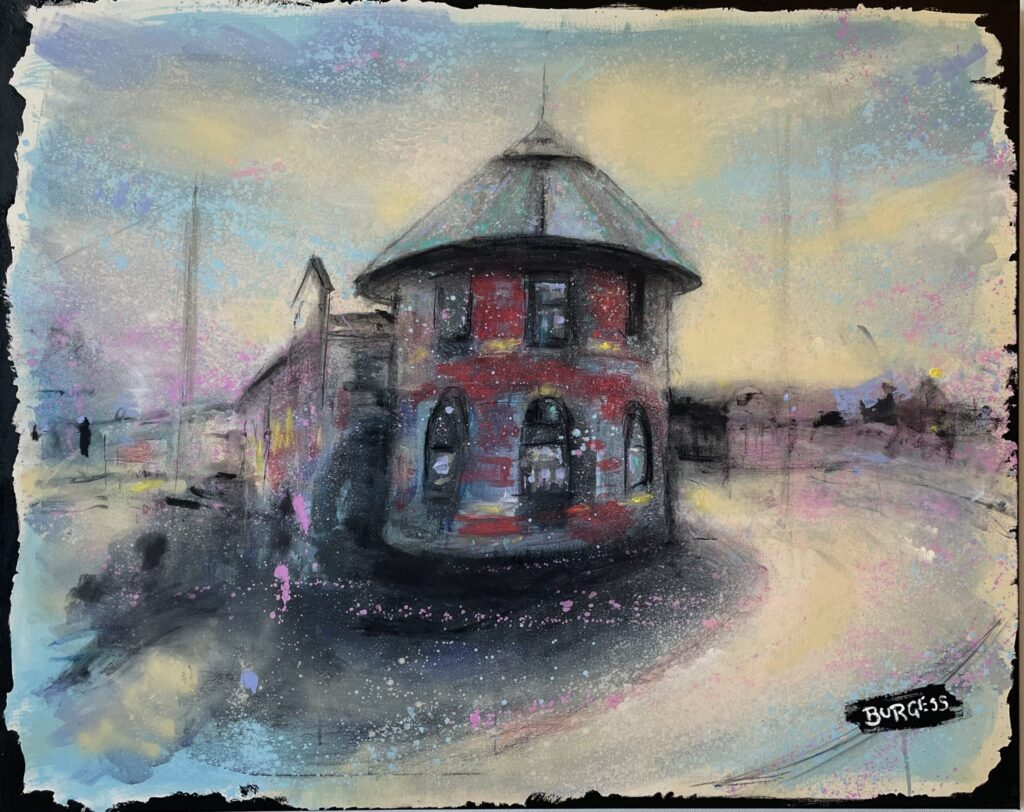
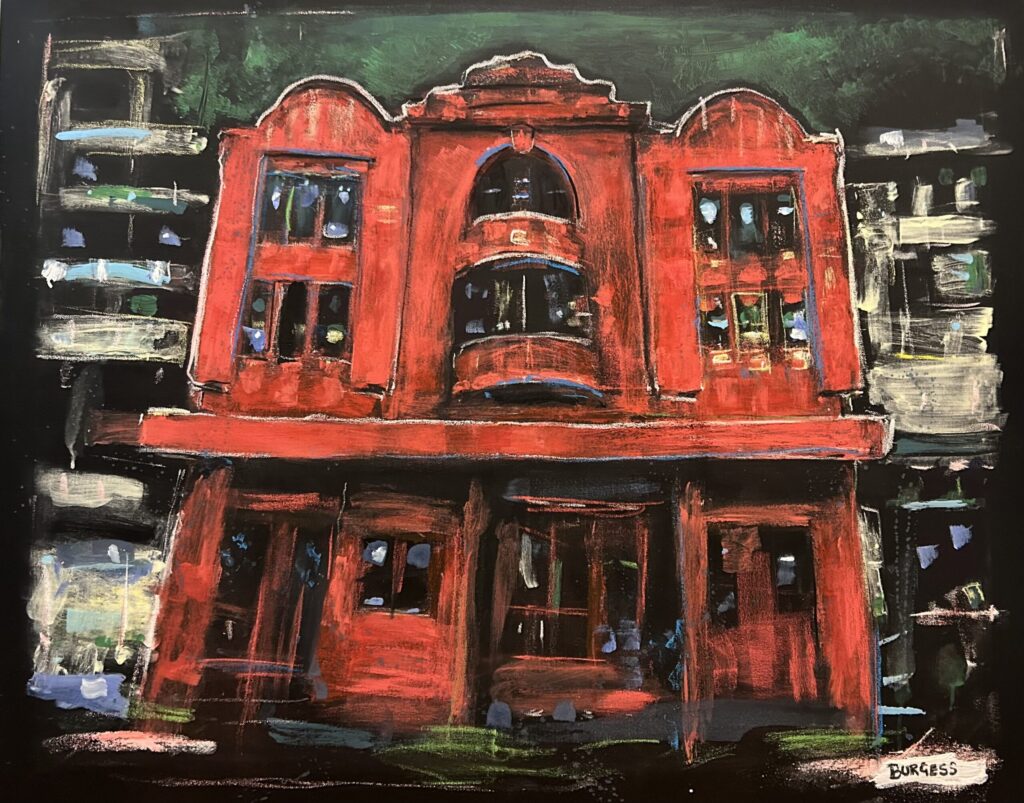
Exchange Hotel, 1928 – Current (82 x 115cm)
$1,295
The Exchange Hotel has anchored Oxford Street since the late 1920s, its art deco façade and corner balconies watching over decades of nightlife. Known as a safe haven and a stage for reinvention, it became a hub for performers, outsiders, and communities that reshaped Sydney’s identity. Though its music, crowds, and ownership have shifted with the times, the Exchange remains one of the street’s most recognisable landmarks, a survivor in brick and neon.
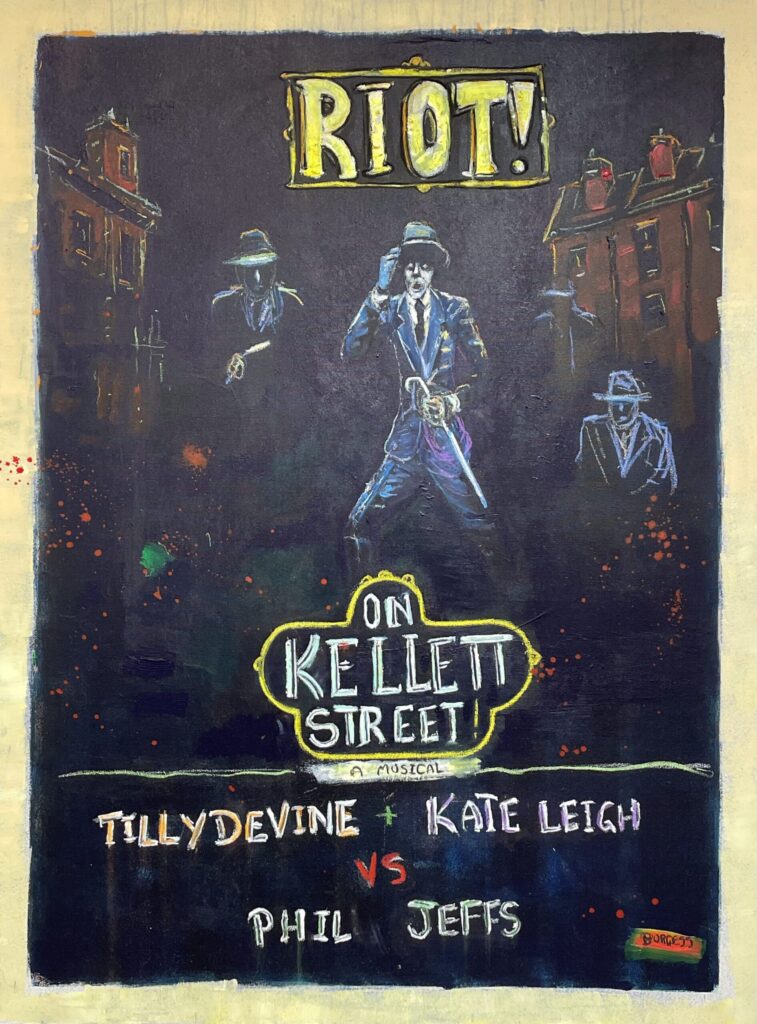
RIOT! In Kellett Street (40 x 30)
$995
Who wouldn’t want to see a musical about Tilly and Kate joining forces to take out Phil ‘The Jew’ Geoff’s for cutting the cocaine he sold them one too many times? Two tickets please…
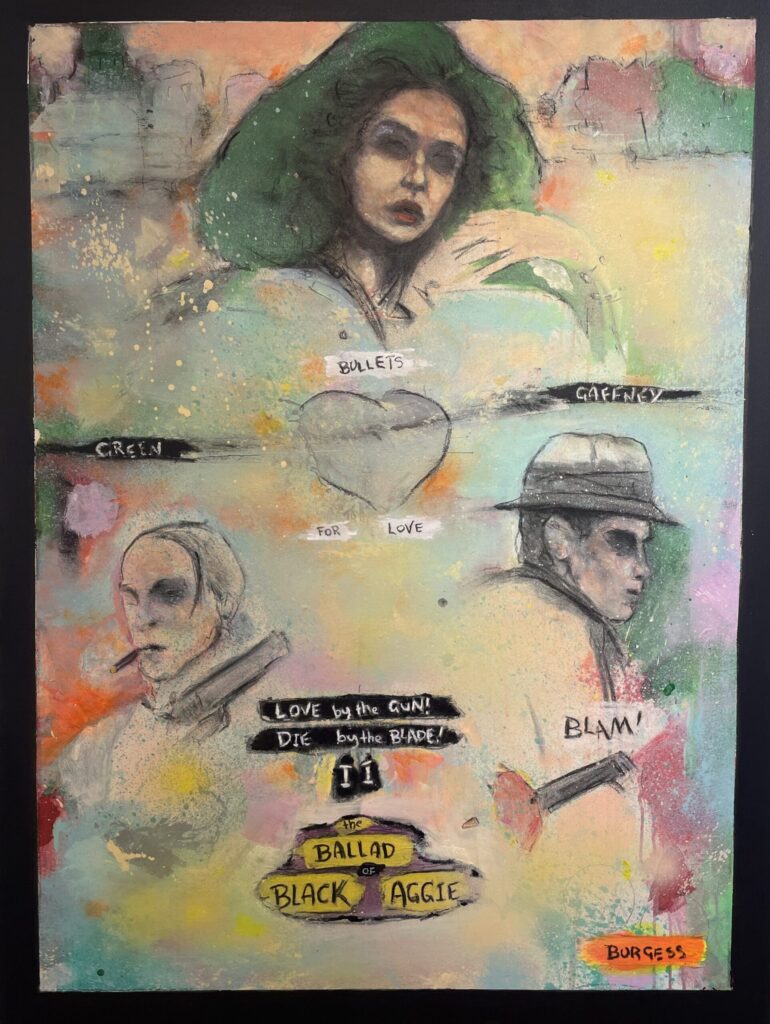
LOVE BY THE GUN DIE BY THE BLADE II: The Ballard of Black Aggie (50 x 35)
$795
Frank Green, the razor-era gunman whose scarred face became legend; Greg Gaffney, the deadly ‘gunman’ working for vice-queen Kate Leigh. Between them stood Black Aggie, fierce, entrancing, and played for stakes far higher than love. Their triangle cut through the streets of Sydney, where dawn-lit alleys whispered old deals, and blades still glinted in the gutters. In this painting, love is a territory, and the gun is its silence.
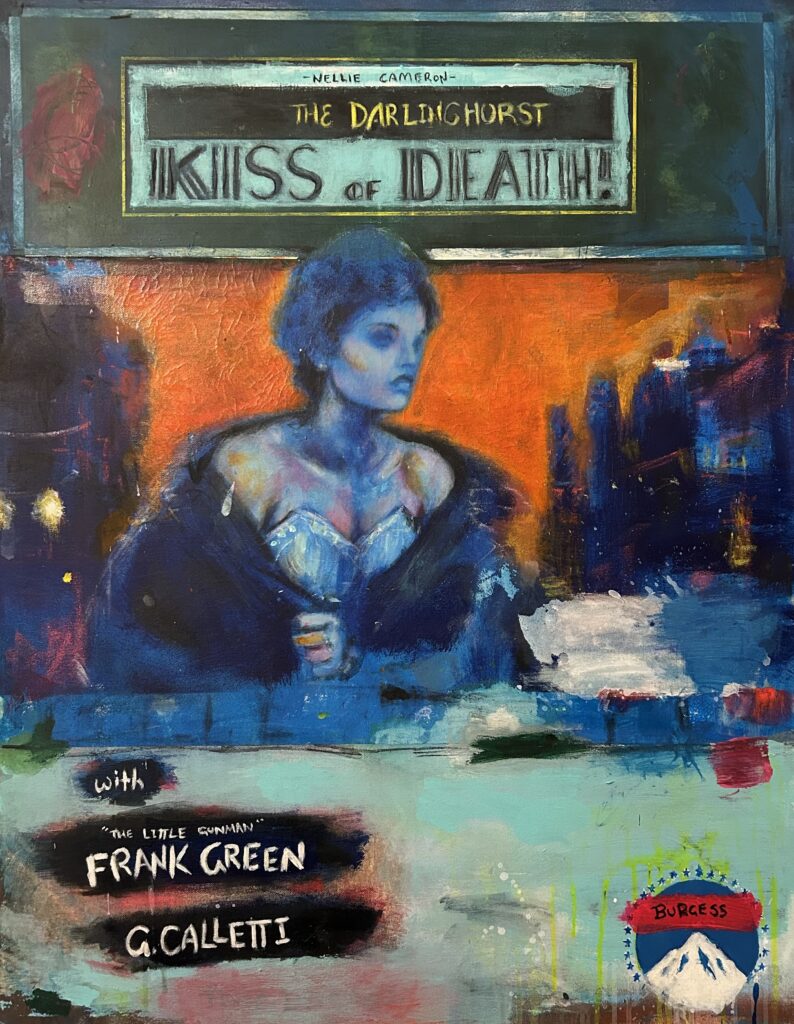
Kiss of Death (30 x 40)
$495
Kiss of Death delves into the life of Nellie Cameron, one of Sydney’s most infamous women during the Razorhurst era. Known for her beauty and charm, Nellie earned the nickname “Kiss of Death” due to the tragic fates of many of her lovers, who often died in their attempts to keep her affections.
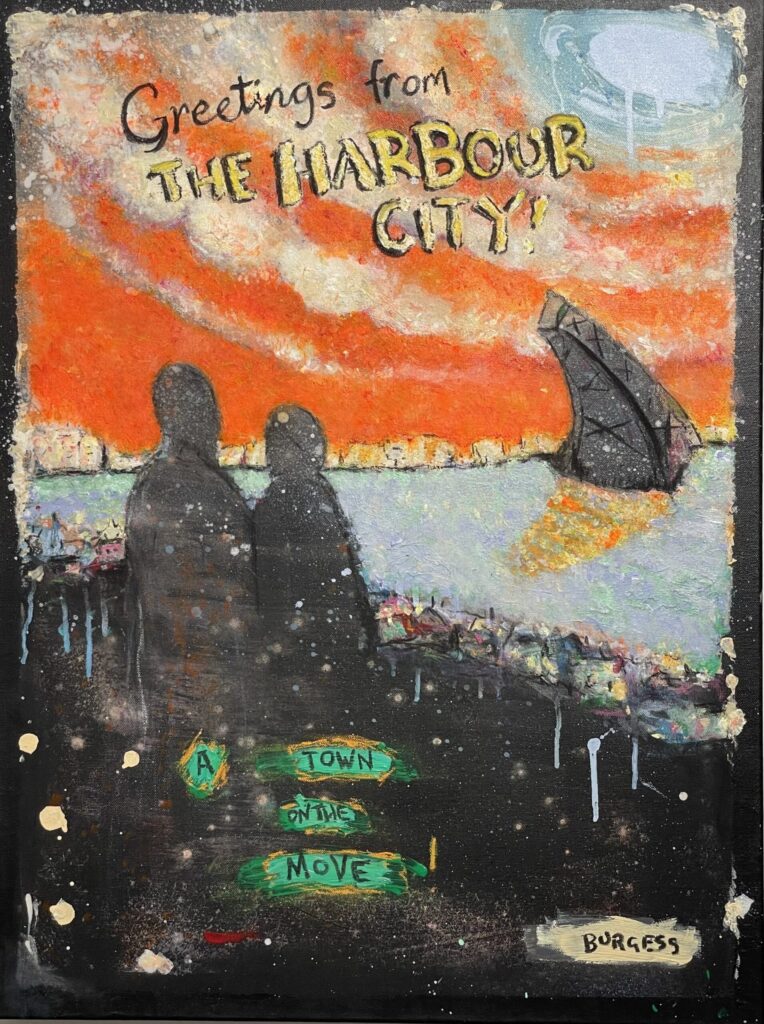
A Town Between Wars (81 x 61cm)
$795
Once sold in souvenir racks and sent across oceans, “Harbour City” was the polished face Sydney showed the world, sunlight, sails, and promise. But beneath the gloss, the docks told another story: long shifts, rough hands, and a city built on hard graft and hustle. This work nods to both, the postcard fantasy and the working port that made it real. A love letter and a warning label, all in one frame.
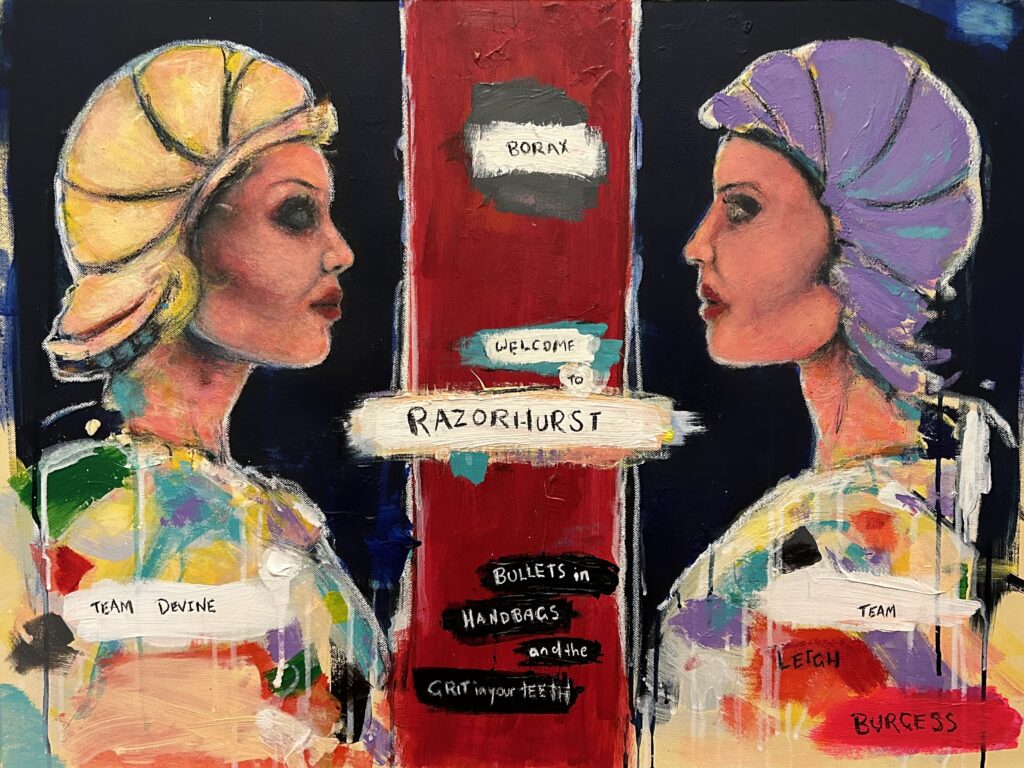
Worst Women in Sydney (24 x 32)
$495
The Worst Women in Sydney focuses on two of the most notorious crime figures of the Razorhurst era: Tilly Devine and Kate Leigh, often referred to as “Queen Tilly” and “Queen Kate.” Both women were powerful crime bosses who dominated Sydney’s underworld with their rival empires—Devine in prostitution and Leigh in sly grog operations. Despite their ruthless reputations, both women left a lasting mark on Sydney’s criminal history.
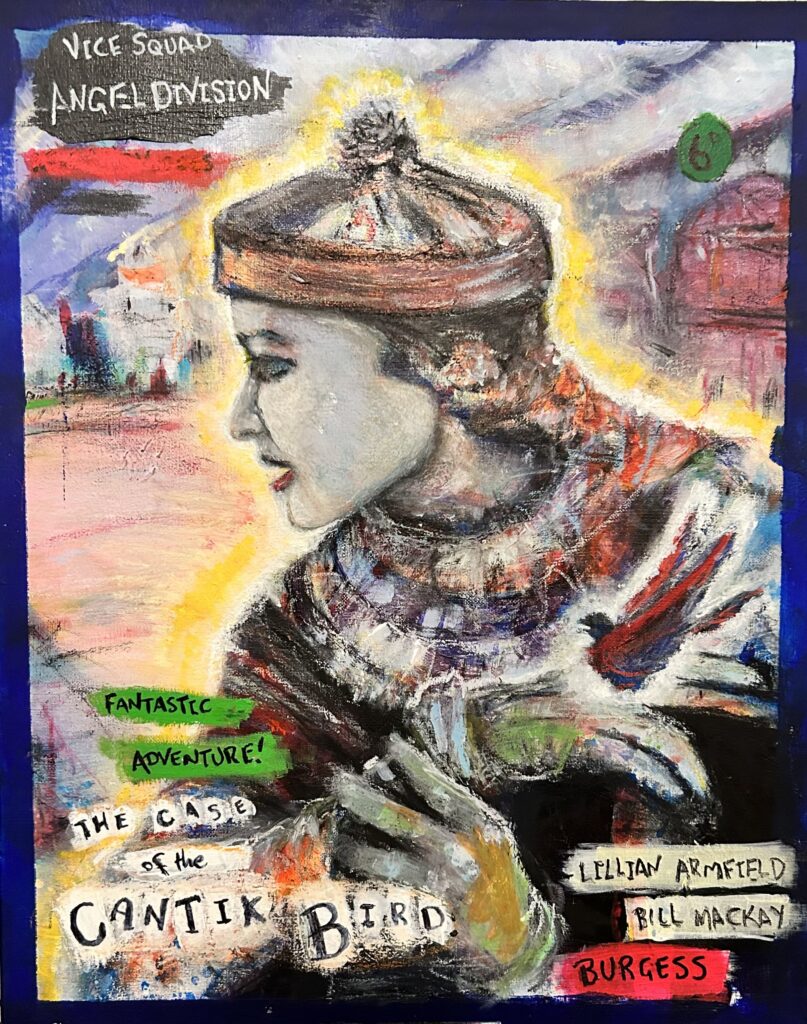
Fantastic Adventure! (15 x 20)
$395
In her later years, Lillian Armfield, Australia’s first female detective, became an avid reader of detective novels, an ironic twist given her own storied career battling Sydney’s criminal elite. Fantastic Adventure! is a tribute to Armfield’s twilight years, where she could indulge in the fantasy of the detective world without the danger.
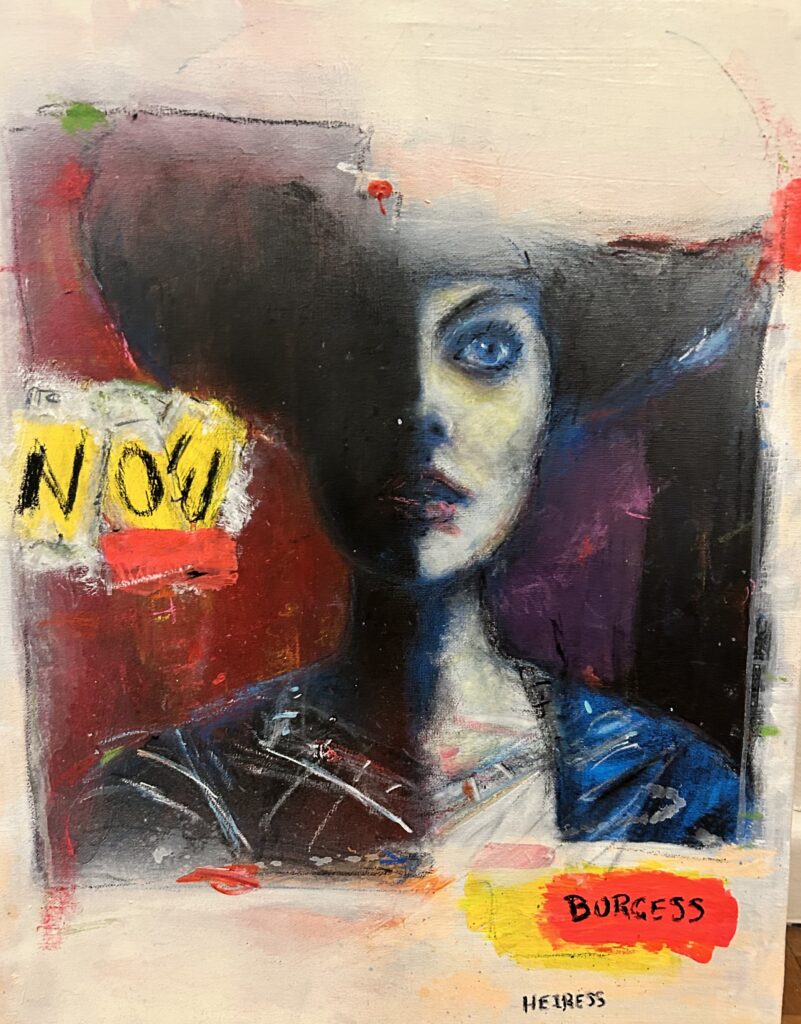
The Cost of NOW (15 x 20)
$395
The Cost of NOW piece is a tribute to those who stand up for what they believe in, from union leaders like Jack Mundey to the nameless individuals who have fought for justice throughout history. This piece invites reflection on what we are willing to sacrifice for progress and how the weight of activism has been shouldered by individuals throughout Sydney’s history.
Tilly’s TOWN
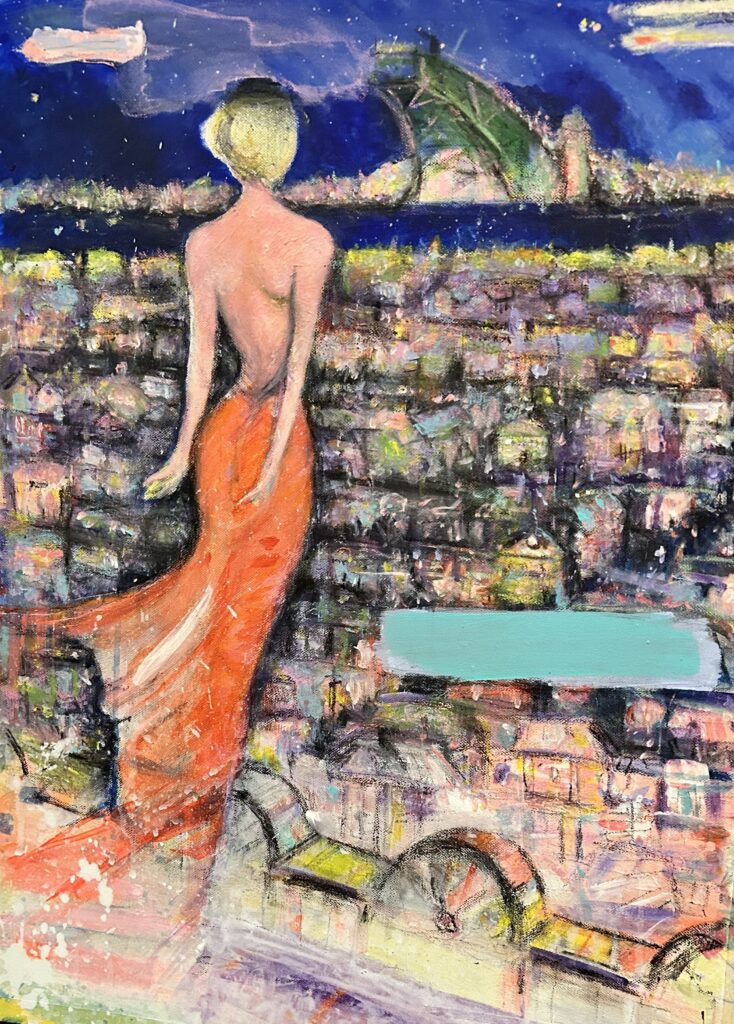
$395
Tilly’s TOWN captures the height of Tilly Devine’s influence over Sydney’s underworld. Once upon a time, this city was hers. Tilly ruled with an iron fist, running illegal operations from Darlinghurst to Kings Cross. What does it mean to have ruled a city through crime, and how has this legacy shaped modern Sydney? By reflecting on Tilly’s empire, viewers are encouraged to think about how figures like her not only exploited the city but also contributed to its complex identity. The piece prompts questions about survival, dominance, and the lasting influence of those who once wielded unchecked power in a rapidly changing urban landscape.
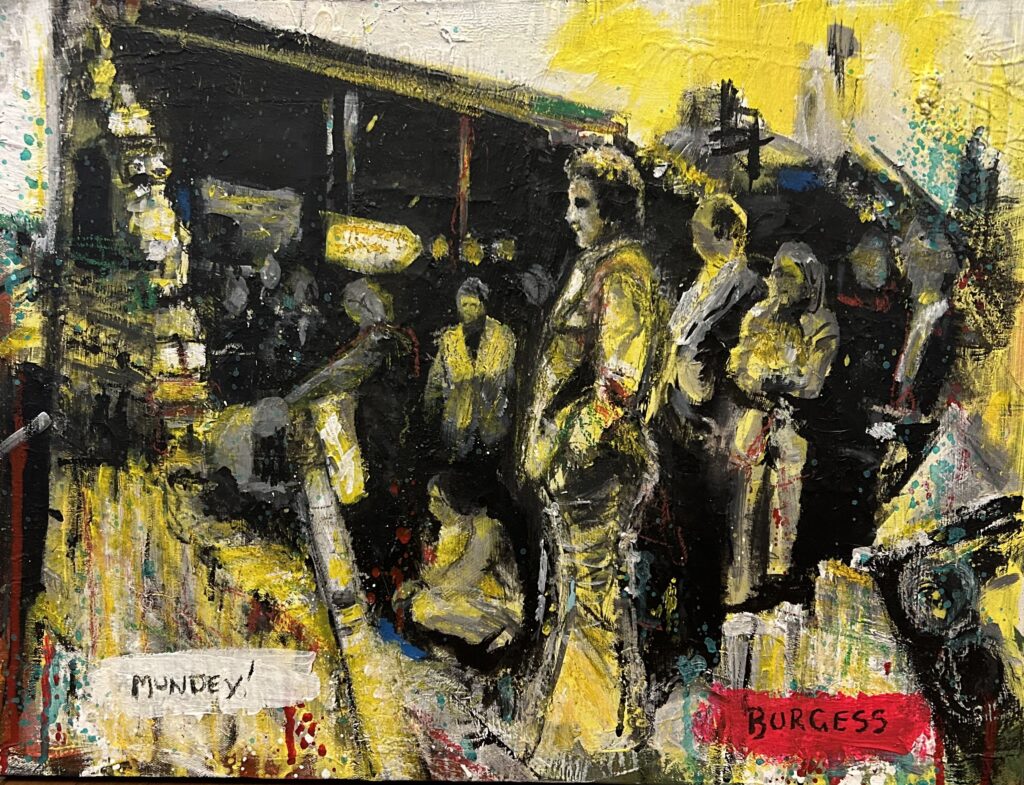
Jack Mundey! (18 x 24)
$395
Celebrates Jack Mundey, the evolutionary union leader and environmental activist who fought to preserve the historical character of Sydney’s inner-city suburbs. Known as the “King of The Rocks,” Mundey led the Green Bans movement, halting the destruction of historic sites and ensuring that development was sustainable and community-focused.
Poor Traits
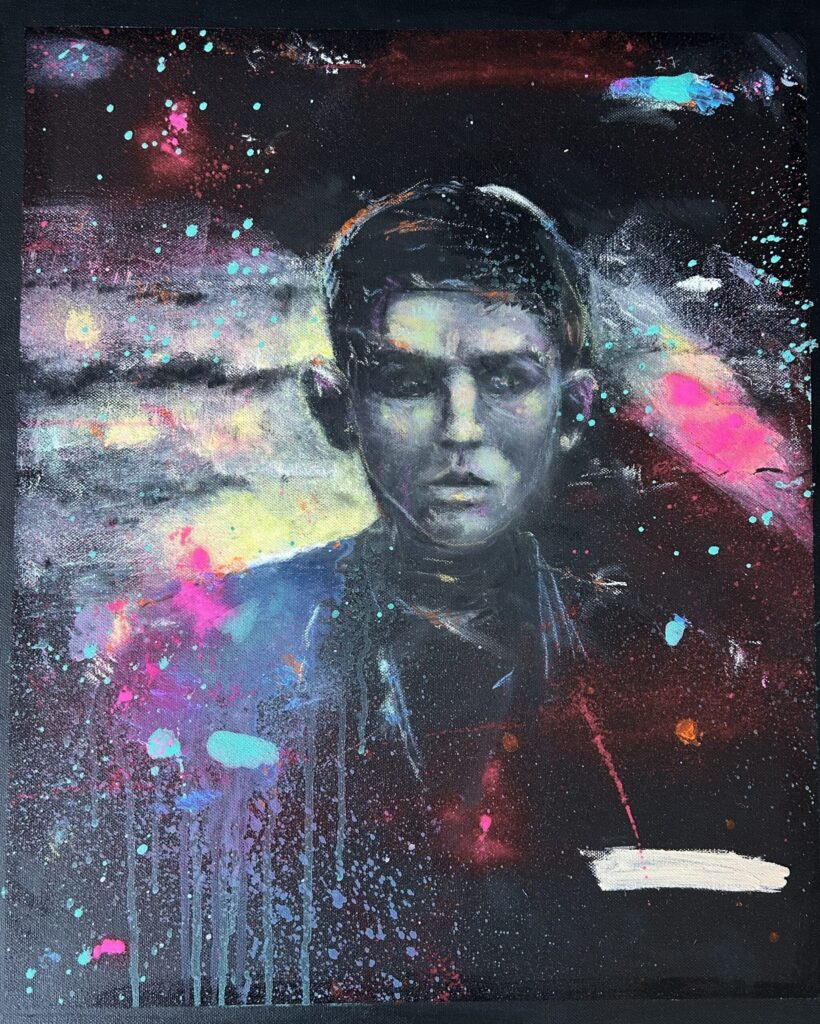
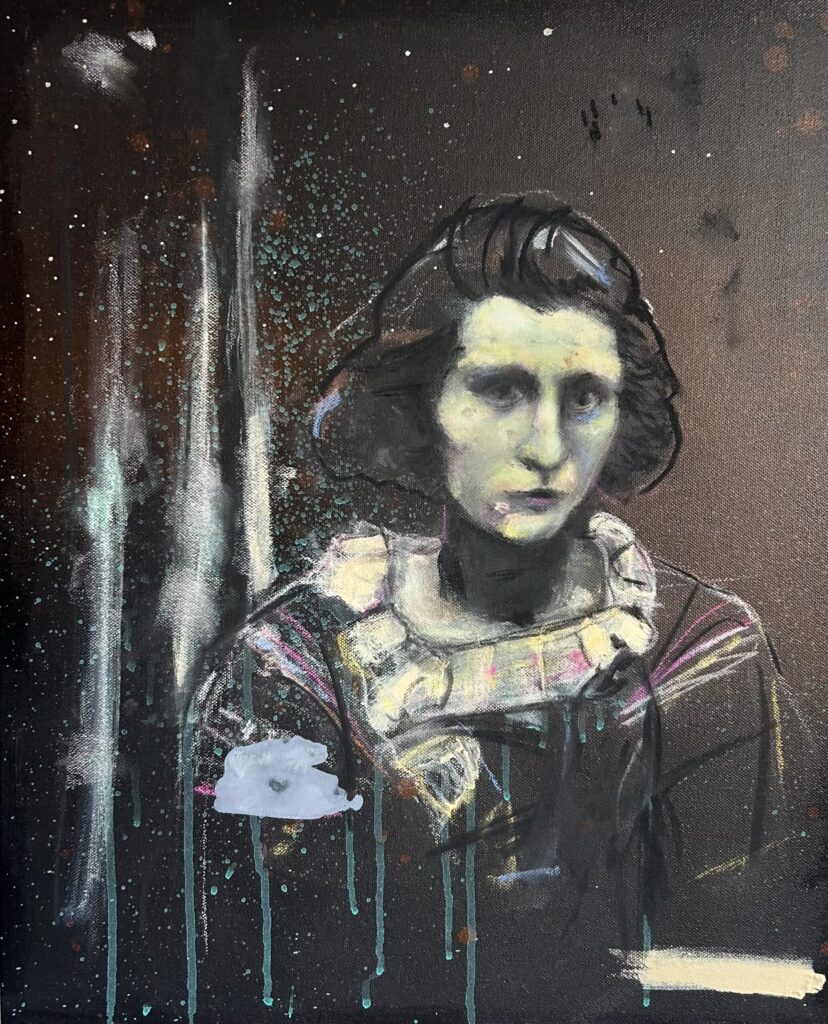
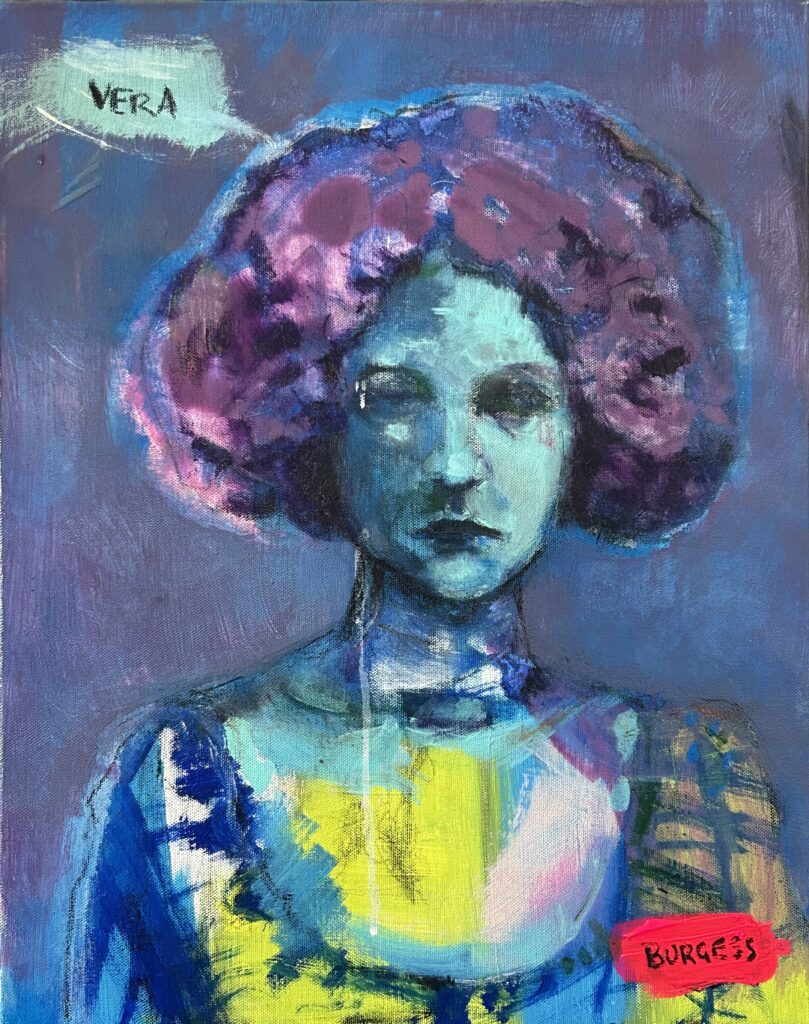
Other works and stories
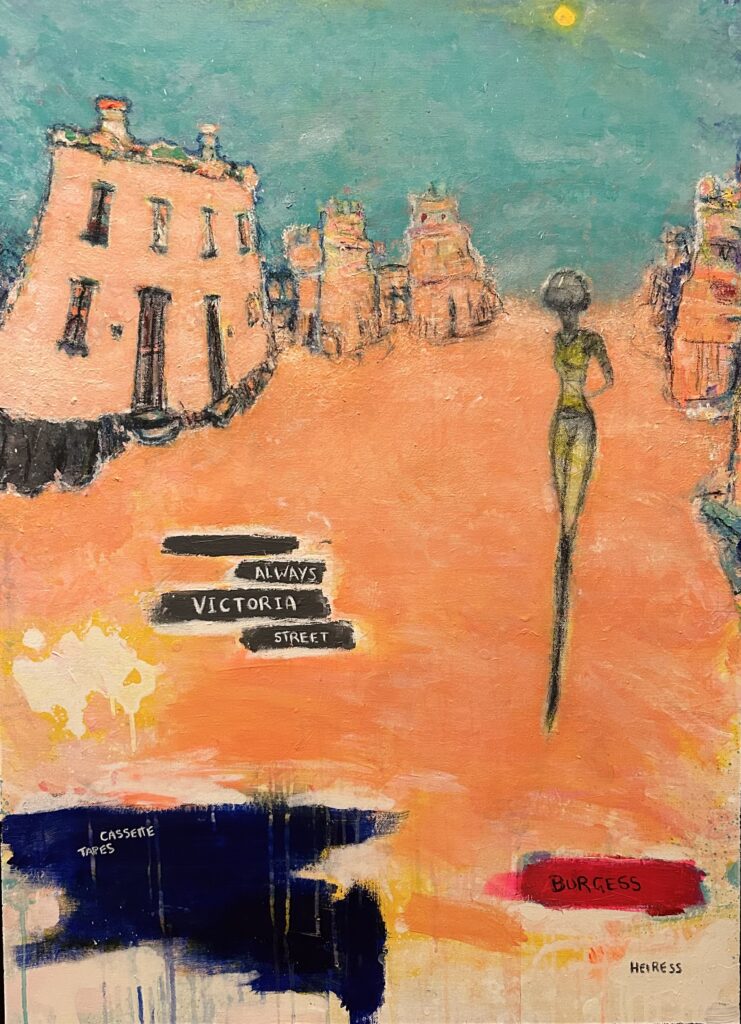
Victoria Street (32 x 40)
$595
This piece tells the story of Juanita Nielsen, and is set at the site of her last home, a home shrouded in mystery and controversy. Juanita was a journalist and activist who fiercely opposed the development of Victoria Street, challenging powerful interests tied to Sydney’s property market. Her disappearance in 1975 remains unsolved, leaving behind questions about corruption and the power dynamics at play.